Bug Bash EU
Date
Sep 30
Venue
TAP1,
Copenhagen
Extracting reliable software from the slop factory
Antithesis is bringing Bug Bash CPH to GOTO Copenhagen.
On Wednesday, Sept 30 they’ll take over one GOTO stage for a full day of talks on reliability, testing and correctness.
This is a track for anyone trying to build something durable in an accelerating world.
The sessions

Grokking the Brain: What AI Reveals About How You Really Learn
Train an AI model long past the point where it has memorized its examples, and something strange happens — it stops memorizing and suddenly "groks" the pattern beneath them. That hard-won pattern can then be "distilled" into a smaller, faster model that runs it with ease. These are ideas from AI — but they may give us our clearest view yet of the human brain. We grok a hard skill slowly, with conscious effort, then distill it into a fast, automatic system that needs no effort at all. That is what expertise is.
The same “machinery” has a quieter side. A model is aligned by its training data — and in an analogous fashion, so are humans. Give me a child to the age of seven, the old saying goes, and I'll show you the adult. But adults are aligned too, usually without knowing it — and a brain aligned a little too well can harden into a mental fortress, deflecting new ideas.
Curiosity provides a way out. Dopamine—reward-based learning—fuels the brain's ability to rewire — it helps us build new links, keeps the fortress gate open, and keeps hard-won knowledge from setting into a wall. We'll look at what all this means for how you learn, how you use AI, and how you keep thinking for yourself in an age that makes it easy not to.
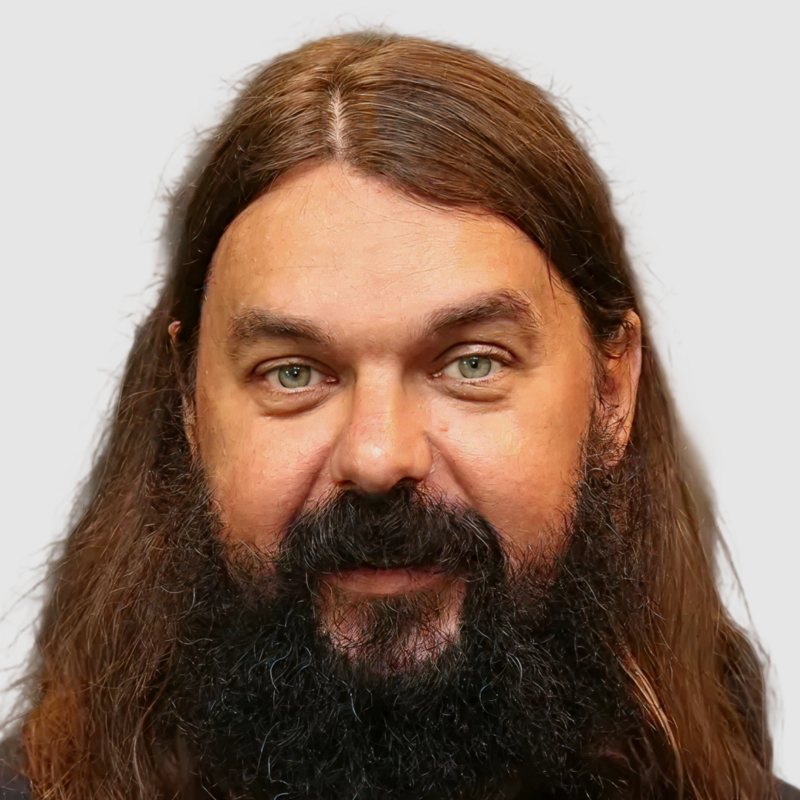
The Philosophy of Software Architecture
This session looks at the underlying philosophical beliefs that inform the everyday practice of software architecture.
Instead of endlessly arguing in terms of frameworks and methods, why not understand why we think the way we do, why some people disagree, and why we can’t trust our Computer Science educations?
Who are we, why are we like this, and can we ever change?
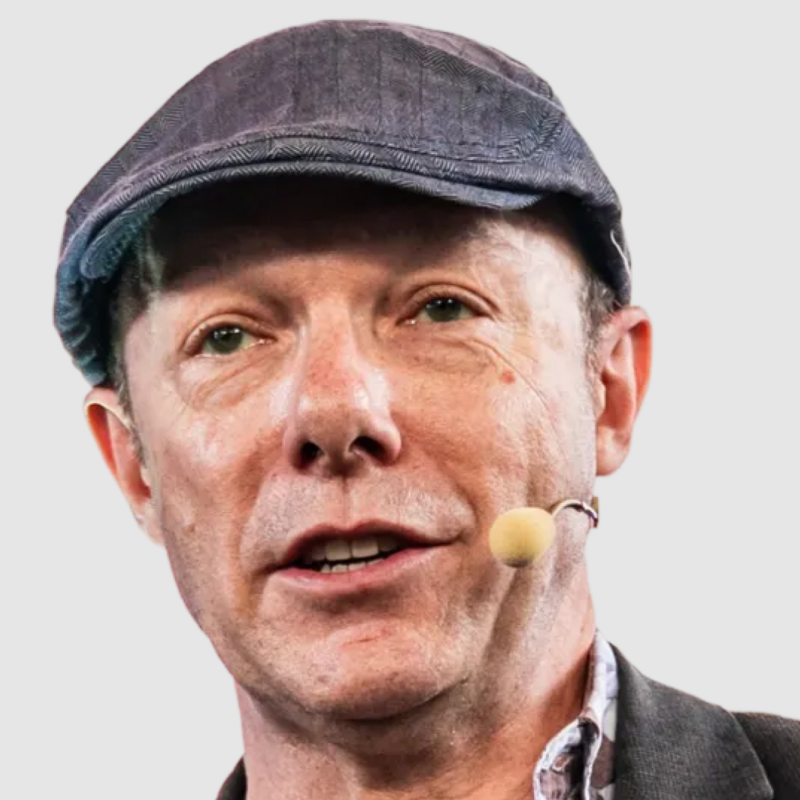
Am I holding this right?
Oh great, another session about AI. Your social media feeds are already flooded with agentic this and spec-driven that; one-shot rewrites and everyone-is-a-programmer-now.
I am not using genAI to go faster but to go broader. It lets me offload (significant) side concerns in areas where I am competent but have no wish to become proficient; the time-sink supporting work that I would either hack together badly myself or side-step altogether.
I want to share some models and metaphors that are helping me make sense of this new world: why Ward Cunningham hates printers; how riding a fixie isn’t really cycling; why I'm treating Claude as a fantastic researcher and a terrible programmer; how test-first is the new TDD.
I am calling this adjacent engineering. Sometimes these side quests become significant enough to spin off into their own entire product, which I call adjacent discovery.
My goal is to give you a more nuanced take on generative AI, to help you cut through all the noise and get actual work done.